
Ultimate Guide to Essential Products for Lot Clearing Services
Learn about the key equipment and accessories that can enhance productivity and safety in lot clearing projects.
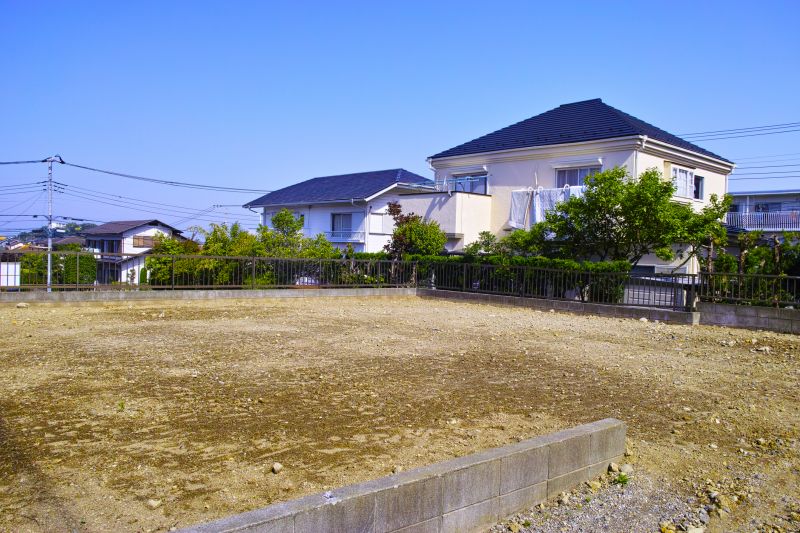 Lot clearing is a fundamental step in preparing land for development, agriculture, or landscaping projects. It involves removing unwanted vegetation, debris, and obstructions to create a clear, usable space. The process can vary significantly based on the size and condition of the lot, requiring different tools and equipment to achieve effective results. Proper lot clearing not only enhances the aesthetic appeal but also ensures safety and accessibility for future construction or land use.
Top Overall Option
Compact Utility Loader
A versatile compact utility loader offers a combination of power, maneuverability, and attachment options suitable for various lot clearing tasks. Its compact size allows it to access tight spaces, while its interchangeable attachments—such as buckets, grapples, and mulchers—enable efficient removal of debris, brush, and small trees. This equipment is often favored for its adaptability and ease of operation, making it a popular choice for land clearing projects of different scales.
Types of Products For Lot Clearing Service
Chainsaws
Powerful handheld tools ideal for cutting down trees, branches, and thick brush, suitable for smaller clearing tasks.
Brush Cutters
Designed for trimming and clearing dense undergrowth and tall grass efficiently.
Skid Steers
Compact tracked loaders equipped with various attachments for heavy-duty debris removal and grading.
Excavators
Heavy machinery capable of lifting, digging, and removing large obstacles and trees from the lot.
Forestry Mulchers
Specialized attachments that grind down trees, brush, and stumps into mulch, streamlining the clearing process.
Stump Grinders
Machines designed to efficiently remove tree stumps after felling.
Hydraulic Grapples
Attachments used to grasp and move large debris, logs, and brush during clearing.
Dump Trailers
Utility trailers for transporting debris, soil, or leftover materials away from the site.
Mini Excavators
Compact excavators suitable for tight spaces and smaller lot clearing tasks.
Vegetation Mowers
Equipment for cutting and managing overgrown grass and weeds on large lots.
Hydroseeders
Systems used to quickly establish ground cover after clearing, reducing erosion.
Land Clearing Attachments
Various attachments compatible with different machinery to enhance versatility in clearing tasks.
Popular Choices
A commonly used tool for cutting trees and branches during lot clearing.
Popular for their versatility and ability to handle multiple attachments for debris removal.
Favored for their compact size and ability to operate in confined spaces.
Widely used for efficient brush and small tree grinding.
Commonly employed for moving large debris and logs.
Effective for overgrown vegetation management.
Often used after tree felling to clear stumps quickly.
Popular for transporting debris away from cleared lots.
Frequently used post-clearing to establish ground cover.
Effective for managing large grassy areas.
Extensions that improve efficiency for cutting tasks.
Tools used to level and prepare the land after clearing.
Machines that help in soil compaction and stabilization post-clearing.
Attachments used to break up concrete or rocks during clearing.
Equipment for applying herbicides or soil treatments after clearing.
For smaller or less dense lots, manual tools such as chainsaws, brush cutters, and hand-held clearing equipment may suffice. However, larger or heavily overgrown areas typically demand more powerful machinery like skid steers, excavators, or forestry mulchers. These tools can handle thick brush, fallen trees, and dense undergrowth efficiently, reducing the time and labor involved in the clearing process.
Safety considerations are paramount when selecting and operating lot clearing equipment. Operators should be trained in proper handling techniques and wear appropriate protective gear. Additionally, assessing the terrain and potential hazards beforehand can prevent accidents and equipment damage. Whether clearing a small backyard or a large vacant lot, choosing the right tools and understanding their capabilities can make the project smoother and more manageable.
Investing in quality equipment tailored to the specific needs of a lot clearing project can lead to more efficient results. It is also beneficial to consider the ease of maintenance and availability of parts when selecting machinery. With the right combination of tools and safety precautions, lot clearing can be completed effectively, setting a solid foundation for subsequent development activities.
Key Buying Considerations
- Project size and scope to determine necessary equipment capacity.
- Type and density of vegetation to select appropriate tools and attachments.
- Terrain conditions, such as rocky or uneven ground, affecting machinery choice.
- Availability of operator training and experience with specific equipment.
- Safety features and protective measures included with machinery.
- Ease of maintenance and availability of replacement parts.
- Power source requirements, including fuel, electricity, or hybrid options.
- Mobility and maneuverability of equipment in tight or confined spaces.
- Environmental conditions that might influence equipment durability.
- Budget constraints balanced with equipment quality and functionality.
- Compatibility of attachments with existing machinery or future upgrades.
- Site access limitations that could restrict equipment size or type.
- Long-term operational costs, including fuel consumption and maintenance.
- Regulatory compliance and safety standards relevant to the project.
- Availability of rental or purchase options based on project duration.